Source Anti Climb Galvanized Prison Fence for Security
Find 30 anti climb galvanized prison fence options with welded mesh and powder coated finishes. Compare square and H posts, wire diameters, and mesh sizes to select durable security barriers for prisons, industrial sites, and high-risk perimeters; compare the available evidence and request quotations based on your requirements.
Key considerations
Products List




Comprehensive Sourcing Guide
Anti Climb Galvanized Prison Fence Sourcing Guide
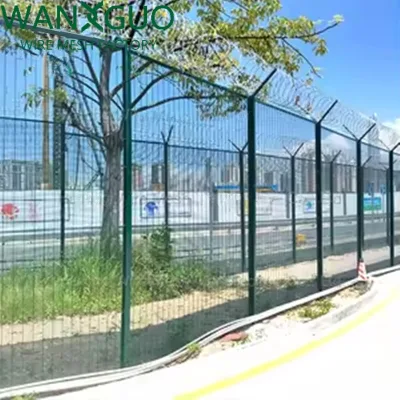
Procurement of anti-climb galvanized prison fences requires precise alignment between security mandates and verified product attributes. The observed market data indicates a primary focus on welded mesh structures with specific dimensions, such as 76.2mm by 12.7mm openings, designed to prevent unauthorized scaling. Buyers must distinguish between standard galvanized finishes and alternative coatings like PVC or powder coating, as these choices directly impact long-term durability in harsh environments.
The supply chain for these specialized barriers often originates from manufacturing hubs in Hebei, China, where production capabilities range from standard models to fully customized CAD drawings. Sourcing decisions should prioritize suppliers who explicitly list customization availability and offer professional design services to match site-specific security requirements. Understanding the distinction between various post shapes, including square, round, and peach posts, is essential for ensuring structural integrity and aesthetic consistency across the installation perimeter.
Product Scope and Observed Listing Signals
The product scope encompasses high-security welded mesh panels with square hole shapes, typically fabricated from low-carbon iron wire or metal with diameters ranging from 3.0mm to 6.0mm. Listings frequently highlight specific model identifiers like ASO-358 variants, which denote standardized configurations for anti-climb applications. Buyers should verify that the observed wire thickness and mesh opening sizes align with the intended security level, as variations in these parameters significantly alter the fence's resistance to cutting and climbing attempts.
Commercial listings often display a wide price range and minimum order quantities, reflecting the customizability of the final product. While some entries suggest standard dimensions, others offer bespoke solutions with heights extending up to 7.0 meters and widths varying between 2.2 and 3.0 meters. Procurement teams must carefully review the listed packing methods, such as pallets or plastic film, to ensure that the shipping logistics can accommodate the specific dimensions and weight of the ordered panels without incurring unexpected damage or freight costs.
Technical Specifications to Verify
Technical verification begins with confirming the frame finishing and surface treatment processes, which are critical for corrosion resistance in outdoor prison environments. The supply data indicates options for both galvanized and coated finishes, including PVC and powder coating, which must be matched to the local climate conditions. Buyers should explicitly request test data or material certificates to validate that the chosen surface treatment meets the required anti-corrosion standards, ensuring the fence remains functional and safe over its intended lifespan.
Dimensional accuracy is another vital verification point, particularly regarding post sizes and mesh specifications. The market offers square posts in sizes like 60x60mm or 80x80mm, alongside H-posts and round posts, each serving different structural needs. It is imperative to cross-reference the listed wire diameter and mesh opening size against the project's security specifications, as even minor deviations can compromise the anti-climb effectiveness. Confirming these exact measurements before finalizing the order prevents costly on-site modifications or structural failures.
Compliance and Safety Documentation
Compliance documentation for prison fencing must include valid certifications such as CE, ISO9001, and SGS, which attest to the manufacturer's adherence to international quality management systems. These certificates are not merely administrative requirements but serve as proof that the production processes have been audited for consistency and safety. Buyers should insist on receiving current copies of these documents to ensure that the supplied materials meet the rigorous standards expected for high-security correctional facilities.
Safety standards also extend to the physical design of the fence, which must prevent climbing and tampering. The observed product attributes, such as the specific mesh size and the inclusion of accessories like barbed wire or razor wire, contribute to the overall safety profile. Procurement teams must verify that the final design complies with local regulatory requirements for correctional infrastructure, ensuring that the fence provides the necessary deterrent while maintaining the safety of both inmates and facility staff.
Cost Drivers and Commercial Terms
Cost drivers for anti-climb galvanized prison fences are heavily influenced by material selection, specifically the type of metal and the thickness of the wire used. Thicker wires and specialized coatings like PVC increase the base cost but offer superior longevity and security. Additionally, the complexity of customization, such as unique heights or specific post configurations, adds to the manufacturing time and expense, making it essential for buyers to balance security needs with budget constraints.
Commercial terms, including minimum order quantities and lead times, vary significantly across suppliers and must be negotiated clearly. The observed MOQ ranges from 5 to 1000 units, suggesting flexibility for smaller projects but potentially higher per-unit costs for bulk orders. Buyers should clarify payment terms, shipping responsibilities, and delivery schedules to avoid delays, ensuring that the project timeline is not compromised by logistical bottlenecks or unclear contractual obligations.
Supplier Qualification and Quality Control
Supplier qualification requires a thorough assessment of their manufacturing capabilities and track record in producing high-security fencing solutions. Buyers should verify the supplier's origin, such as Hebei, and evaluate their capacity to handle large-scale orders with consistent quality. The availability of professional customized CAD drawing services is a strong indicator of a supplier's technical competence and ability to tailor products to specific site requirements.
Quality control measures must be integrated into the procurement process to ensure that every delivered unit meets the specified standards. This includes verifying the welding technique, frame finishing, and surface treatment consistency across the entire batch. Buyers should request sample inspections or third-party testing reports to confirm that the anti-corrosion properties and structural integrity match the advertised specifications before accepting the full shipment.
Long-Term Procurement Checks
Long-term procurement checks focus on the durability and maintenance requirements of the installed fence system. Buyers should establish a schedule for regular inspections to monitor the condition of the galvanized or coated surfaces, addressing any signs of corrosion or damage promptly. This proactive approach ensures that the fence continues to provide the necessary security without requiring premature replacement or extensive repairs.
Sustainability and supply chain reliability are also critical considerations for long-term partnerships. Buyers should assess the supplier's ability to provide consistent quality over time and their capacity to source raw materials reliably. Establishing a clear communication channel for future orders and maintenance support ensures that the facility remains secure and operational, minimizing the risk of security breaches due to equipment failure or supply chain disruptions.
FAQs
What is the standard mesh size for 358 anti climb prison fences?
The standard mesh size is 76.2mm by 12.7mm, also known as 3 inches by 0.5 inches. This specific opening dimension provides high security by preventing climbing and intrusion. Customized mesh sizes are available upon request to meet specific project requirements. The wire diameter typically ranges from 3.0mm to 6.0mm, ensuring structural integrity and durability for long-term security applications.
Can the fence height be customized for different security levels?
Yes, the fence height can be customized to meet various security requirements. Standard heights range from 1.0m to 7.0m, with common options between 2.0m and 2.5m. Professional customized CAD drawings are provided to ensure precise fit. The height can be adjusted based on the specific perimeter needs, allowing for flexible installation in prisons, industrial sites, or high-security facilities.
Which certifications are typically provided for these welded mesh fences?
Typical certifications include CE, ISO9001, SGS, and ASTM standards. These certifications verify that the metal fencing meets international quality and safety regulations. The products undergo rigorous testing to ensure compliance with industry standards. Buyers can request specific certification documents to verify the quality of the galvanized or powder-coated materials used in the manufacturing process.
What surface treatments are available for anti-corrosion protection?
Available surface treatments include powder coating, PVC coating, and galvanization. These processes provide excellent anti-corrosion protection, ensuring the fence remains durable in harsh environmental conditions. Common colors include black, green, and gray. The coating is applied to the low-carbon iron wire, enhancing longevity and reducing maintenance costs for outdoor security installations.
What are the standard post dimensions for installation?
Standard post dimensions include square posts of 60x60mm, 80x80mm, and 100x100mm. H-posts are available in sizes like 55x100mm and 67x126mm. Round posts and peach posts are also options. These sturdy posts support the welded mesh panels, ensuring stability. The choice of post depends on the fence height and the specific structural requirements of the installation site.
How is the product packed for international shipping?
The product is packed using plastic film or metal pallets to ensure safe transit. Some options include plastic bags combined with cartons for smaller orders. This packaging protects the coated surfaces from scratches and damage during handling. The palletized packing facilitates easy loading and unloading at the destination, streamlining the logistics process for bulk orders of security fencing.